
EVIDENCE REVIEW
Molecular Hydrogen:
The Research So Far
Molecular hydrogen (H2) has become one of the most-discussed compounds in recovery science — studied for its potential antioxidant and anti-inflammatory effects, typically delivered via hydrogen-rich water or inhalation. This page summarizes what the research actually shows, how H2 is measured and dosed, and where the evidence is still developing.
How Molecular Hydrogen Works
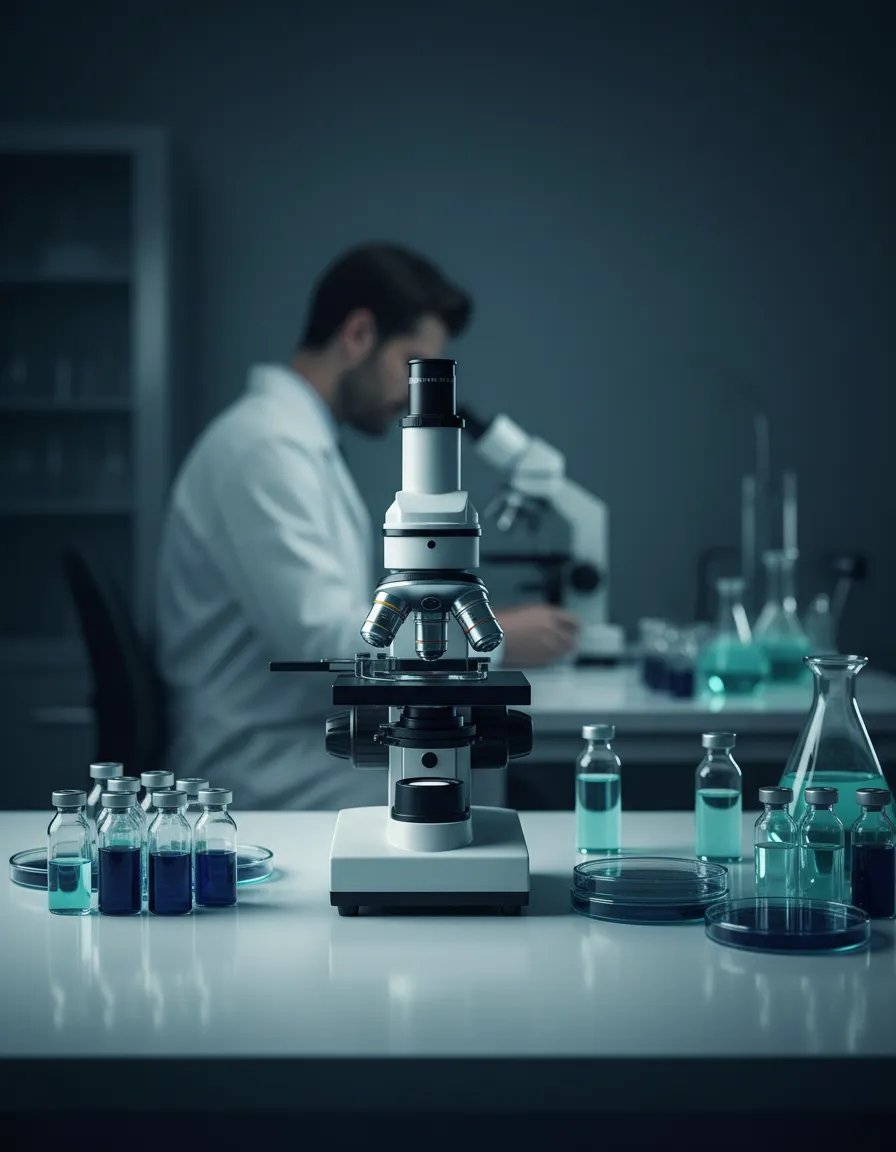
Unlike many antioxidants, molecular hydrogen is a small, neutral molecule that can diffuse across cell membranes and the blood-brain barrier. Proposed mechanisms include selective scavenging of reactive oxygen species (notably hydroxyl radicals and peroxynitrite) and modulation of gene expression related to oxidative stress and inflammation. Much of this mechanistic work comes from cell and animal studies; human evidence is growing but still limited in scale.
How Hydrogen Is Measured (PPM Explained)
0.5–1.6
PARTS PER MILLION (PPM)
Hydrogen concentration in water is typically measured in parts per million (ppm) or milligrams per liter (mg/L), which are roughly equivalent. Most published studies use concentrations in the 0.5–1.6 ppm range, though delivery method (drinking water vs. inhalation vs. saline) significantly affects how much H2 actually reaches tissues. Consumer hydrogen water products vary widely in actual delivered concentration, and ppm often drops quickly after generation as H2 gas escapes from water.
What the Research Shows

Athletic recovery
Small studies suggest hydrogen-rich water may reduce blood lactate accumulation during exercise and modestly reduce subjective fatigue, though sample sizes are generally small and effect sizes vary.
Oxidative stress markers
Several studies report reductions in markers like malondialdehyde (MDA) after H2 supplementation, consistent with its proposed antioxidant role.


Inflammation
Animal models show reduced pro-inflammatory cytokine levels with H2 administration; human trials are more limited and often short-duration.
Metabolic health
Early studies in populations with metabolic syndrome show some improvements in lipid markers, but results are mixed across trials.

Where the Evidence Is Limited
Many H2 studies have small sample sizes (often under 50 participants), short durations, and come from a relatively concentrated set of research groups. Standardization of dosing, delivery method, and outcome measures varies significantly between studies, making direct comparisons difficult. Larger, independently replicated trials are still needed before strong clinical claims can be made.
Current Research

Hydrogen Water Studies and Evidence: 7 Research Findings Worth Knowing
A research-driven look at hydrogen water studies and evidence, from systematic reviews to clinical trials on recovery, metabolism, and mood. ...more
Molecular Hydrogen
September 06, 2026

Hydrogen Water Tablets Research Review: How They Stack Up Against Other Delivery Methods
A research review of hydrogen water tablets versus machines and bottled options, covering concentration, evidence, and what studies actually show. ...more
Molecular Hydrogen
September 04, 2026

Emerging Molecular Hydrogen Research 2026: Three Myths the Latest Science Is Dismantling
The latest molecular hydrogen research is overturning old assumptions. See which myths 2026 science has debunked and where the field is heading next. ...more
Molecular Hydrogen
September 02, 2026
CLARITY BEFORE YOU COMMIT
Frequently Asked Questions
Find factual, research-backed answers to the most common questions regarding the clinical safety, measurement, and comparison of molecular hydrogen therapies.
Is molecular hydrogen water backed by science?
There's a growing body of preliminary research — including small human trials — suggesting potential antioxidant and anti-inflammatory effects, but most studies are small-scale and more research is needed before firm conclusions can be drawn.
What ppm level do studies typically use?
Most published research uses hydrogen concentrations between roughly 0.5 and 1.6 ppm, though delivery method affects how this translates to actual exposure.
Is hydrogen water safe?
Molecular hydrogen is generally considered to have a strong safety profile in the studies conducted so far, with no significant adverse effects reported, though long-term, large-scale safety data is still limited.
How does hydrogen water compare to other antioxidants?
Unlike many dietary antioxidants, H2 is a small molecule that diffuses readily through cell membranes and may selectively target specific reactive oxygen species — but direct head-to-head comparisons with other antioxidants are limited.
Recovery Science Daily
Evidence-based insights on recovery, performance, and health.
About•Editorial Policy•Contact•Privacy Policy•Terms of Service

