
EVIDENCE REVIEW
Cognitive Function:
The Research So Far
Neuroprotection: What Research Shows
Cognitive function and neuroprotection sit at the intersection of recovery, aging, and long-term brain health. This page summarizes current research on how recovery practices, the blood-brain barrier, and neuroprotective mechanisms relate to cognitive performance.

The Blood-Brain Barrier and Neuroprotection
The blood-brain barrier (BBB) tightly regulates what substances can reach brain tissue, protecting it from toxins and pathogens while allowing necessary nutrients through. Research on neuroprotection often focuses on compounds and interventions that can either cross the BBB to act directly on brain tissue, or support its integrity — since BBB dysfunction has been linked to neuroinflammation and cognitive decline in multiple studies
Exercise and Cognitive Function
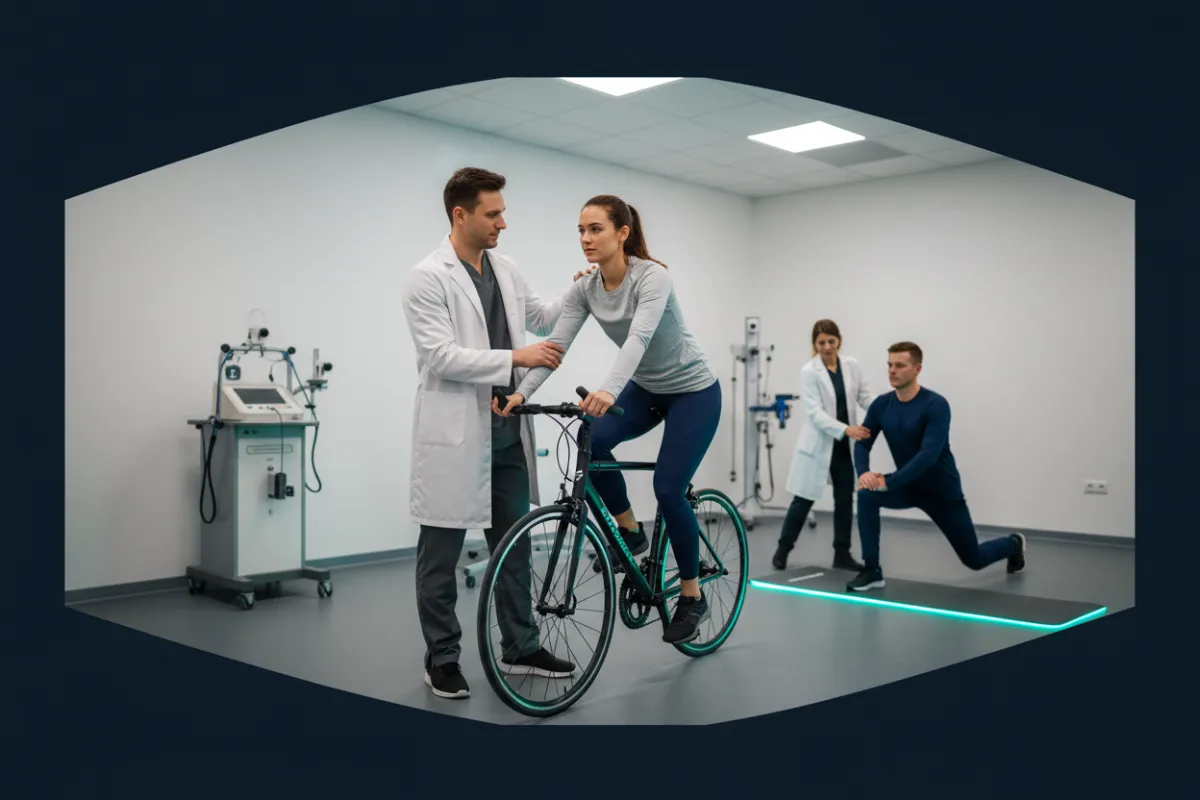
Regular physical activity is one of the most consistently supported interventions for cognitive health across research, associated with improved executive function, memory, and reduced age-related cognitive decline. Proposed mechanisms include increased blood flow to the brain, elevated levels of brain-derived neurotrophic factor (BDNF), and reduced neuroinflammation
What the Research Says About Supporting Cognitive Function

Aerobic Exercise
Aerobic exercise has some of the strongest research support for cognitive health across age groups
Sleep Quality and Duration
Sleep quality and duration directly affect memory consolidation and next-day cognitive performance

Omega-3 Fatty Acids
Omega-3 fatty acids show associations with cognitive health in observational research, though interventional trial results are mixed
Chronic Stress Management
Chronic stress management matters — sustained cortisol elevation has been linked to changes in brain regions involved in memory and executive function


Where the Evidence Is Limited
Much cognitive research relies on proxy measures (cognitive testing batteries, imaging biomarkers) rather than long-term clinical outcomes, and individual variation in baseline cognitive reserve makes generalization difficult. Many supplement-based neuroprotection claims are based on preliminary or animal research that hasn't yet been confirmed in large human trials
Related Reading

Hydration and Cognitive Performance Research: A Step-by-Step Guide to Staying Sharp
What hydration and cognitive performance research reveals about focus and memory, plus a practical step-by-step guide to drinking for a sharper brain. ...more
cognitive-function
September 08, 2026

Cognitive Function FAQs From New Readers: What the Research Actually Says
New to brain health? We answer the most common cognitive function questions from readers using peer-reviewed research, not hype. ...more
cognitive-function
September 05, 2026
Focus and Concentration Supplements Research: 7 Evidence-Based Findings Worth Knowing
What does the research actually say about focus and concentration supplements? Seven evidence-based findings to guide smarter choices. ...more
cognitive-function
September 03, 2026
COGNITIVE FUNCTION RESEARCH
Frequently Asked Questions
Find factual, research-backed answers to common questions about cognitive function, neuroprotection, and brain health
Can exercise really improve brain function?
Yes — regular physical activity is one of the most well-supported interventions for cognitive health in current research, linked to improved memory and executive function
How does the blood-brain barrier relate to recovery?
The blood-brain barrier regulates what reaches brain tissue, and its integrity has been linked to neuroinflammation and cognitive decline — making it a focus of neuroprotection research
Does poor sleep affect long-term brain health?
Research links chronic sleep restriction to impaired cognitive performance and, over time, to risk markers associated with neurodegenerative conditions
Are nootropic supplements backed by research?
Some show promising results in early or animal studies, but many popular claims outpace what's been confirmed in large, well-controlled human trials.
Recovery Science Daily
Evidence-based insights on recovery, performance, and health.
About•Editorial Policy•Contact•Privacy Policy•Terms of Service

