Recovery Tracking and Wearables Research: 7 Evidence-Based Insights for Smarter Training
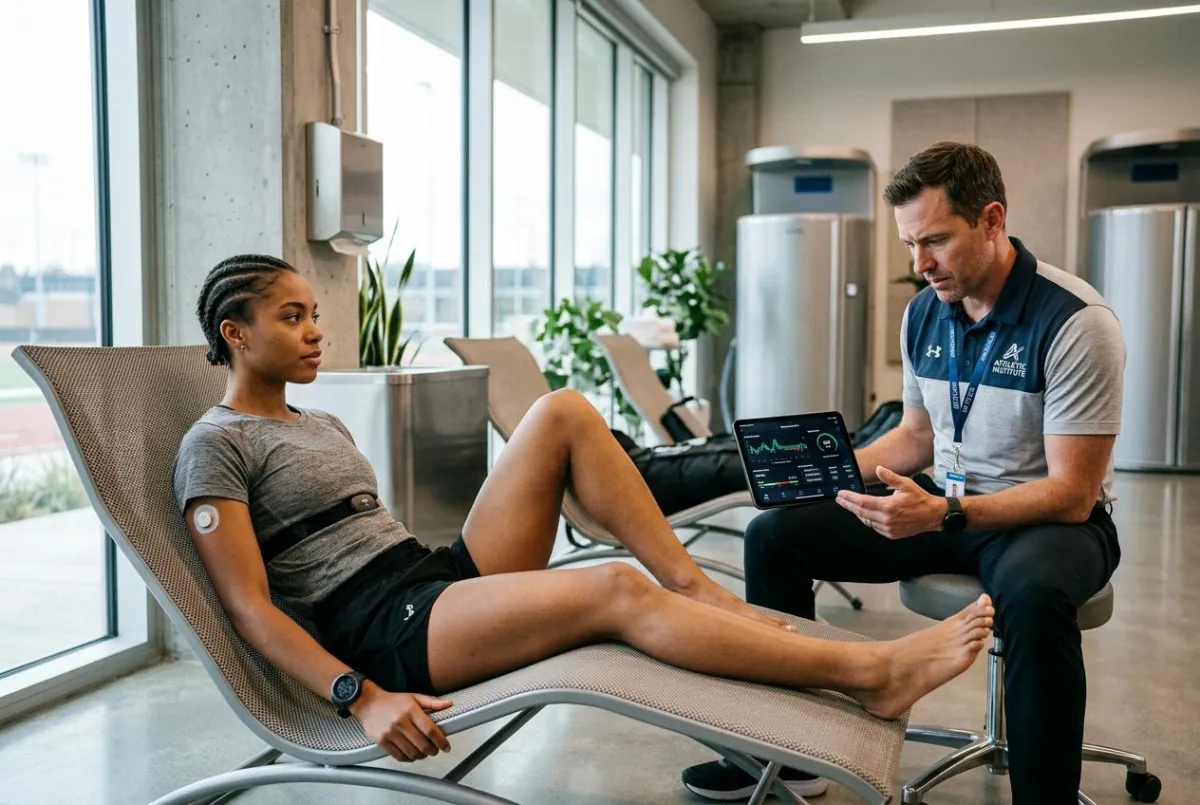
As interest in recovery science continues to grow this August 2026, wearable devices have moved from novelty gadgets to everyday training companions. Millions of people now wake up and check a recovery score before deciding whether to train hard, take it easy, or rest completely. But how much of what these devices tell us is grounded in solid science, and how should you actually use the data? Recovery tracking and wearables research is a fast-moving field, and the honest answer is that some metrics are genuinely useful while others deserve a healthy dose of skepticism. Below are seven evidence-based insights to help you get real value from your recovery tracker without becoming a slave to the numbers.
1. RECOVERY SCORES ARE ESTIMATES, NOT MEASUREMENTS
The single most important thing to understand about wearable recovery scores is that they are algorithmic estimates built from proxy signals like heart rate variability, resting heart rate, sleep duration, and skin temperature. No wrist-worn device directly measures muscle damage, glycogen replenishment, or tissue repair. That does not make the scores useless — trends in resting heart rate and HRV do correlate with training stress — but it means a single morning score should never override how you actually feel. Researchers who study recovery modalities and training recovery methods consistently emphasize that subjective wellness questionnaires often perform as well as, or better than, objective device metrics for predicting readiness.
2. TRENDS BEAT SNAPSHOTS EVERY TIME
A single low HRV reading might reflect a poor night of sleep, a late meal, alcohol, or simple measurement noise. What matters is the pattern over seven to fourteen days. If your resting heart rate is steadily climbing and your HRV is steadily falling week over week, that is a meaningful signal that your training load may be outpacing your recovery capacity. Wearables shine at this kind of longitudinal tracking because they collect data passively every single day — something no lab test can match for convenience.
3. USE YOUR TRACKER TO TEST RECOVERY INTERVENTIONS ON YOURSELF
One of the most practical uses of a wearable is running your own informal experiments. The broader recovery literature gives you plenty of candidates to test. For example, a study on active versus passive recovery during high-intensity interval exercise found that recovery mode can influence performance-related outcomes between efforts. Similarly, research on repeated cold-water immersion examined its effects on muscle damage markers, inflammation, and the restoration of muscle function. With a wearable, you can layer these interventions into your routine and watch whether your overnight HRV, resting heart rate, or perceived soreness respond over several weeks — turning population-level research into personalized insight.
4. SORENESS STILL REQUIRES YOUR SUBJECTIVE INPUT
Delayed-onset muscle soreness remains one of the recovery signals that devices struggle to capture, because soreness is a perceptual experience rather than a cardiovascular one. This is why most sophisticated recovery platforms now pair sensor data with daily check-in questions. The science of treating soreness itself is also more nuanced than marketing suggests: an umbrella and mapping systematic review with meta-meta-analysis of physical therapies for DOMS found that many popular interventions produce modest and variable effects. Your wearable can tell you your nervous system looks recovered while your quads are still screaming from Monday's squats — trust both signals, not just one.
5. SLEEP TRACKING IS THE MOST ACTIONABLE FEATURE
Of all the data wearables collect, sleep metrics arguably offer the highest return on attention. Sleep is the body's primary recovery window, driving hormone release, tissue repair, and nervous system restoration. While consumer devices are imperfect at staging sleep into light, deep, and REM phases, they are reasonably good at estimating total sleep duration and consistency — and those two variables matter most. If your tracker reveals you are averaging six hours a night with wildly variable bedtimes, that insight alone can transform your recovery. For a deeper dive into why this matters, explore our research on sleep quality and recovery.
6. DO NOT LET LOW SCORES CREATE ANXIETY OR TRAINING PARALYSIS
An emerging concern in recovery tracking and wearables research is a phenomenon sometimes called orthosomnia or data anxiety — where obsessing over scores actually worsens sleep and stress. If a red recovery score makes you anxious, and that anxiety elevates your heart rate and suppresses your HRV, you have created a self-fulfilling feedback loop. The fix is simple: treat scores as one input among several, take periodic breaks from checking your data, and remember that elite athletes trained and recovered successfully for decades before any of these devices existed.
7. PAIR YOUR DATA WITH PROVEN RECOVERY PRACTICES
A wearable measures recovery; it does not create it. The interventions that actually move the needle are the fundamentals the research keeps validating: adequate sleep, sensible training progression, good nutrition, and targeted modalities where evidence supports them. For instance, a meta-analysis of the effects of foam rolling on performance and recovery found measurable benefits when foam rolling is used before or after exercise. Use your tracker to confirm whether these practices are working for your body, then double down on what the data — and your own perception — say is effective. The team at RecoveryScienceDaily.com covers the underlying research behind each of these methods so you can build a stack that suits your training.
KEY TAKEAWAY: Wearables are powerful trend-detection tools, not oracles — the research supports using multi-day patterns in HRV, resting heart rate, and sleep alongside your subjective feelings, rather than letting any single daily score dictate your training.
Ready to make your recovery data actually mean something? Explore more research-backed guides on RecoveryScienceDaily.com and keep building a smarter, evidence-based approach to recovery.
FAQ
Q: Which wearable metric is most useful for tracking recovery?
A: Heart rate variability and resting heart rate trends over one to two weeks are generally the most informative signals, alongside total sleep duration. A single day's reading is noisy, so focus on multi-day patterns rather than daily fluctuations.
Q: Can a wearable tell me when it's safe to train hard again?
A: Not definitively. Recovery scores estimate nervous system and cardiovascular readiness but cannot directly measure muscle repair or soreness. Combine your device's trend data with how your body feels and how recent sessions have gone before deciding on training intensity.
Q: Are cheap fitness trackers accurate enough for recovery tracking?
A: Most modern trackers measure resting heart rate and sleep duration reasonably well, which covers the fundamentals. Higher-end devices tend to offer better HRV measurement and more refined algorithms, but consistency of wear matters more than the price tag for spotting meaningful trends.
Back to Blog1. RECOVERY SCORES ARE ESTIMATES, NOT MEASUREMENTS
The single most important thing to understand about wearable recovery scores is that they are algorithmic estimates built from proxy signals like heart rate variability, resting heart rate, sleep duration, and skin temperature. No wrist-worn device directly measures muscle damage, glycogen replenishment, or tissue repair. That does not make the scores useless — trends in resting heart rate and HRV do correlate with training stress — but it means a single morning score should never override how you actually feel. Researchers who study recovery modalities and training recovery methods consistently emphasize that subjective wellness questionnaires often perform as well as, or better than, objective device metrics for predicting readiness.
2. TRENDS BEAT SNAPSHOTS EVERY TIME
A single low HRV reading might reflect a poor night of sleep, a late meal, alcohol, or simple measurement noise. What matters is the pattern over seven to fourteen days. If your resting heart rate is steadily climbing and your HRV is steadily falling week over week, that is a meaningful signal that your training load may be outpacing your recovery capacity. Wearables shine at this kind of longitudinal tracking because they collect data passively every single day — something no lab test can match for convenience.
3. USE YOUR TRACKER TO TEST RECOVERY INTERVENTIONS ON YOURSELF
One of the most practical uses of a wearable is running your own informal experiments. The broader recovery literature gives you plenty of candidates to test. For example, a study on active versus passive recovery during high-intensity interval exercise found that recovery mode can influence performance-related outcomes between efforts. Similarly, research on repeated cold-water immersion examined its effects on muscle damage markers, inflammation, and the restoration of muscle function. With a wearable, you can layer these interventions into your routine and watch whether your overnight HRV, resting heart rate, or perceived soreness respond over several weeks — turning population-level research into personalized insight.
4. SORENESS STILL REQUIRES YOUR SUBJECTIVE INPUT
Delayed-onset muscle soreness remains one of the recovery signals that devices struggle to capture, because soreness is a perceptual experience rather than a cardiovascular one. This is why most sophisticated recovery platforms now pair sensor data with daily check-in questions. The science of treating soreness itself is also more nuanced than marketing suggests: an umbrella and mapping systematic review with meta-meta-analysis of physical therapies for DOMS found that many popular interventions produce modest and variable effects. Your wearable can tell you your nervous system looks recovered while your quads are still screaming from Monday's squats — trust both signals, not just one.
5. SLEEP TRACKING IS THE MOST ACTIONABLE FEATURE
Of all the data wearables collect, sleep metrics arguably offer the highest return on attention. Sleep is the body's primary recovery window, driving hormone release, tissue repair, and nervous system restoration. While consumer devices are imperfect at staging sleep into light, deep, and REM phases, they are reasonably good at estimating total sleep duration and consistency — and those two variables matter most. If your tracker reveals you are averaging six hours a night with wildly variable bedtimes, that insight alone can transform your recovery. For a deeper dive into why this matters, explore our research on sleep quality and recovery.
6. DO NOT LET LOW SCORES CREATE ANXIETY OR TRAINING PARALYSIS
An emerging concern in recovery tracking and wearables research is a phenomenon sometimes called orthosomnia or data anxiety — where obsessing over scores actually worsens sleep and stress. If a red recovery score makes you anxious, and that anxiety elevates your heart rate and suppresses your HRV, you have created a self-fulfilling feedback loop. The fix is simple: treat scores as one input among several, take periodic breaks from checking your data, and remember that elite athletes trained and recovered successfully for decades before any of these devices existed.
7. PAIR YOUR DATA WITH PROVEN RECOVERY PRACTICES
A wearable measures recovery; it does not create it. The interventions that actually move the needle are the fundamentals the research keeps validating: adequate sleep, sensible training progression, good nutrition, and targeted modalities where evidence supports them. For instance, a meta-analysis of the effects of foam rolling on performance and recovery found measurable benefits when foam rolling is used before or after exercise. Use your tracker to confirm whether these practices are working for your body, then double down on what the data — and your own perception — say is effective. The team at RecoveryScienceDaily.com covers the underlying research behind each of these methods so you can build a stack that suits your training.
KEY TAKEAWAY: Wearables are powerful trend-detection tools, not oracles — the research supports using multi-day patterns in HRV, resting heart rate, and sleep alongside your subjective feelings, rather than letting any single daily score dictate your training.
Ready to make your recovery data actually mean something? Explore more research-backed guides on RecoveryScienceDaily.com and keep building a smarter, evidence-based approach to recovery.
FAQ
Q: Which wearable metric is most useful for tracking recovery?
A: Heart rate variability and resting heart rate trends over one to two weeks are generally the most informative signals, alongside total sleep duration. A single day's reading is noisy, so focus on multi-day patterns rather than daily fluctuations.
Q: Can a wearable tell me when it's safe to train hard again?
A: Not definitively. Recovery scores estimate nervous system and cardiovascular readiness but cannot directly measure muscle repair or soreness. Combine your device's trend data with how your body feels and how recent sessions have gone before deciding on training intensity.
Q: Are cheap fitness trackers accurate enough for recovery tracking?
A: Most modern trackers measure resting heart rate and sleep duration reasonably well, which covers the fundamentals. Higher-end devices tend to offer better HRV measurement and more refined algorithms, but consistency of wear matters more than the price tag for spotting meaningful trends.