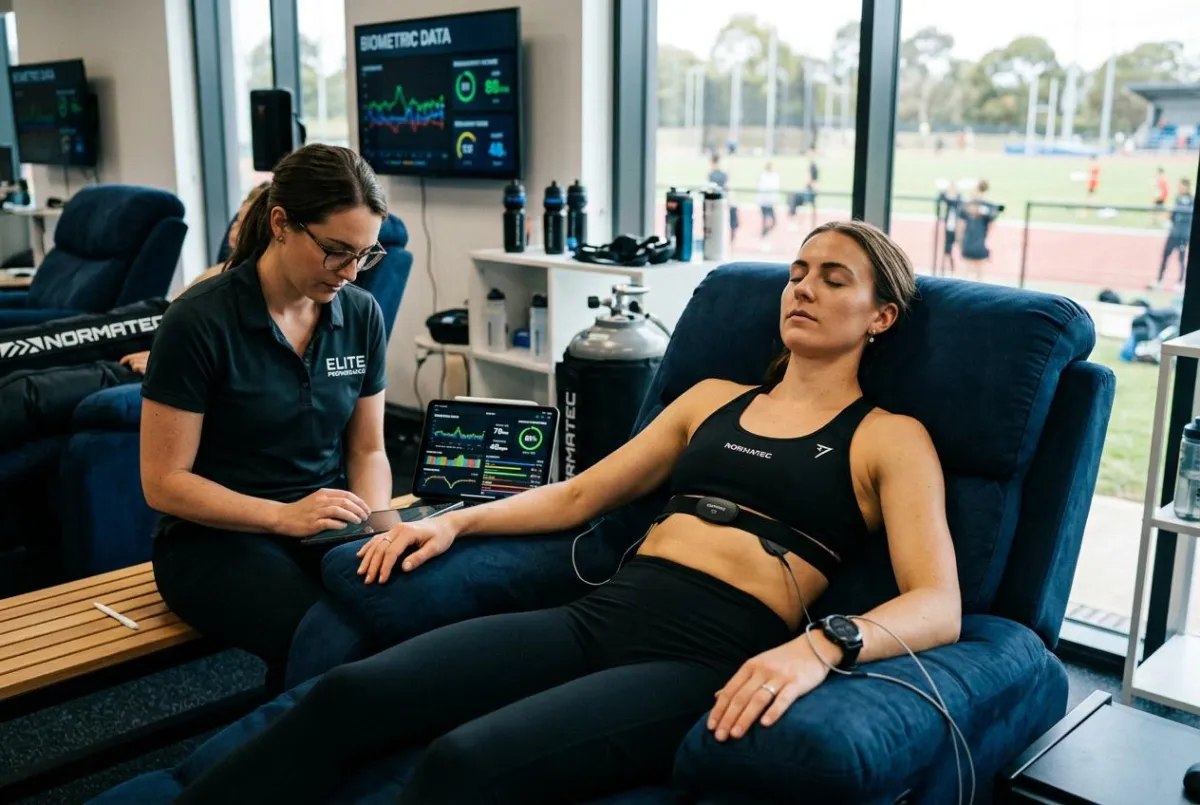
Muscle Recovery Research Overview: Active vs. Passive Recovery Compared
If you have ever finished a hard workout and wondered whether you should keep moving or collapse on the couch, you are asking one of the oldest questions in recovery science. As interest in evidence-based training continues to surge this August 2026, the muscle recovery research landscape has never been richer — and never more confusing for everyday readers. In this overview, we compare the two fundamental philosophies that underpin nearly every recovery method you have heard of: active recovery, where you keep moving at low intensity, and passive recovery, where you rest completely or rely on external tools like ice baths, massage, and foam rollers. Understanding this core comparison gives you a mental framework for evaluating almost any recovery claim you encounter.
WHAT MUSCLE RECOVERY RESEARCH ACTUALLY MEASURES
Before comparing approaches, it helps to know what scientists are measuring. Muscle recovery research typically tracks a handful of outcomes: delayed-onset muscle soreness (DOMS), markers of muscle damage like creatine kinase, inflammation levels, range of motion, and — most importantly — how well you perform in your next session. A method can make you feel better without restoring performance, and vice versa. That distinction runs through nearly every study in the recovery research literature, and it explains why headlines about recovery methods so often contradict each other. Feeling recovered and being recovered are related but separate questions.
THE CASE FOR ACTIVE RECOVERY
Active recovery means continuing to move at a low intensity — easy cycling, walking, light swimming — either between intense efforts or in the hours and days after training. The proposed mechanism is straightforward: gentle movement maintains blood flow, which helps clear metabolic byproducts and deliver nutrients to working muscle. The evidence within a single training session is reasonably strong. For example, a study on high-intensity interval exercise examined how active versus passive recovery between intervals affected performance-related outcomes, adding to a body of work suggesting that low-intensity movement between efforts can influence how well you sustain output. Similarly, research on metabolism and subsequent performance found that the recovery mode you choose between bouts of exercise can meaningfully change metabolic conditions heading into your next effort. The practical takeaway from this branch of research: if you need to perform again soon — later in the same workout, competition, or day — light movement generally beats sitting still.
THE CASE FOR PASSIVE RECOVERY AND EXTERNAL TOOLS
Passive recovery covers everything from complete rest to the enormous industry of recovery tools: cold water immersion, massage, percussion devices, compression, and foam rolling. Here the picture is more nuanced. Complete rest is not lazy — it is when much of the actual repair and adaptation happens, particularly during sleep, which is why sleep quality research consistently shows it to be one of the most powerful recovery levers available. As for the tools, the research is mixed but genuinely interesting. A randomized controlled trial comparing cold-water immersion and massage after an intense CrossFit workout found both interventions influenced delayed-onset muscle soreness, illustrating that structured passive modalities can outperform doing nothing at all for how you feel. Foam rolling has similarly earned a legitimate place in the toolbox: a meta-analysis of foam rolling studies found measurable, if modest, benefits for performance and recovery, particularly for reducing perceived muscle soreness. None of these tools are magic, but the better-studied ones consistently show small-to-moderate effects on soreness and readiness.
HEAD TO HEAD: WHICH APPROACH WINS?
The honest answer from the research is that it depends on your timeline and your goal. Within a workout or between same-day sessions, active recovery tends to win for maintaining performance, because it addresses the immediate metabolic situation in your muscles. In the 24 to 72 hours after hard training — the window when DOMS peaks — the comparison gets murkier. Some passive modalities like cold water immersion and massage reliably reduce how sore you feel, while gentle active recovery like easy walking or cycling can provide similar subjective relief at zero cost. Interestingly, when researchers pool the evidence across many physical therapies, the effects tend to be real but smaller than marketing suggests. An umbrella review with meta-meta-analysis of physical therapies for DOMS synthesized the field and reinforced this pattern: many interventions help somewhat, few help dramatically, and no single method dominates across all outcomes. There is also a longer-term wrinkle worth knowing: some evidence suggests that aggressively blunting post-exercise inflammation — for example, with frequent ice baths after strength training — may slightly dampen the adaptation signal you trained to create. Inflammation is not purely the enemy; it is part of the repair process, which is one reason researchers are increasingly interested in how nutrition and gut health influence inflammation and recovery from the inside out.
HOW TO APPLY THIS COMPARISON TO YOUR TRAINING
Here is a simple framework drawn from the research. First, protect the non-negotiables that apply to both camps: adequate sleep, sufficient protein, and hydration do more for muscle recovery than any gadget. Second, match the method to the moment. Performing again today? Choose active recovery between efforts. Extremely sore and just need relief? Cold water immersion, massage, or foam rolling are reasonable, evidence-supported options. Trying to maximize long-term muscle growth? Lean toward gentle active recovery and full rest days rather than daily ice baths. Third, respect individual response. Recovery studies report averages, and individuals vary widely — the method that leaves your training partner refreshed may do little for you. Track how you feel and perform, and treat your own data as the tiebreaker between competing approaches.
KEY TAKEAWAY: Muscle recovery research shows that active recovery is generally superior when you need to perform again soon, while passive methods like cold water immersion, massage, and foam rolling offer modest but real relief from soreness — and neither replaces the fundamentals of sleep, nutrition, and rest days.
Recovery science is evolving fast, and staying current is the best way to separate genuine breakthroughs from expensive hype. Explore more research-backed guides at RecoveryScienceDaily.com and build a recovery routine grounded in evidence, not trends.
FAQ
Q: Is active recovery always better than complete rest?
A: No. Active recovery shines when you need to perform again soon or want mild soreness relief, but complete rest — especially quality sleep — is when much of the actual muscle repair and adaptation occurs. Most well-designed training programs include both.
Q: Do recovery tools like foam rollers and ice baths actually work?
A: The research supports modest benefits, particularly for reducing perceived soreness. However, effects are smaller than marketing often claims, and frequent cold exposure after strength training may slightly blunt long-term muscle adaptation.
Q: What is the single most important factor for muscle recovery?
A: Sleep, followed closely by adequate protein intake and overall training load management. No recovery modality studied to date compensates for chronic sleep deprivation or under-fueling.
Back to BlogWHAT MUSCLE RECOVERY RESEARCH ACTUALLY MEASURES
Before comparing approaches, it helps to know what scientists are measuring. Muscle recovery research typically tracks a handful of outcomes: delayed-onset muscle soreness (DOMS), markers of muscle damage like creatine kinase, inflammation levels, range of motion, and — most importantly — how well you perform in your next session. A method can make you feel better without restoring performance, and vice versa. That distinction runs through nearly every study in the recovery research literature, and it explains why headlines about recovery methods so often contradict each other. Feeling recovered and being recovered are related but separate questions.
THE CASE FOR ACTIVE RECOVERY
Active recovery means continuing to move at a low intensity — easy cycling, walking, light swimming — either between intense efforts or in the hours and days after training. The proposed mechanism is straightforward: gentle movement maintains blood flow, which helps clear metabolic byproducts and deliver nutrients to working muscle. The evidence within a single training session is reasonably strong. For example, a study on high-intensity interval exercise examined how active versus passive recovery between intervals affected performance-related outcomes, adding to a body of work suggesting that low-intensity movement between efforts can influence how well you sustain output. Similarly, research on metabolism and subsequent performance found that the recovery mode you choose between bouts of exercise can meaningfully change metabolic conditions heading into your next effort. The practical takeaway from this branch of research: if you need to perform again soon — later in the same workout, competition, or day — light movement generally beats sitting still.
THE CASE FOR PASSIVE RECOVERY AND EXTERNAL TOOLS
Passive recovery covers everything from complete rest to the enormous industry of recovery tools: cold water immersion, massage, percussion devices, compression, and foam rolling. Here the picture is more nuanced. Complete rest is not lazy — it is when much of the actual repair and adaptation happens, particularly during sleep, which is why sleep quality research consistently shows it to be one of the most powerful recovery levers available. As for the tools, the research is mixed but genuinely interesting. A randomized controlled trial comparing cold-water immersion and massage after an intense CrossFit workout found both interventions influenced delayed-onset muscle soreness, illustrating that structured passive modalities can outperform doing nothing at all for how you feel. Foam rolling has similarly earned a legitimate place in the toolbox: a meta-analysis of foam rolling studies found measurable, if modest, benefits for performance and recovery, particularly for reducing perceived muscle soreness. None of these tools are magic, but the better-studied ones consistently show small-to-moderate effects on soreness and readiness.
HEAD TO HEAD: WHICH APPROACH WINS?
The honest answer from the research is that it depends on your timeline and your goal. Within a workout or between same-day sessions, active recovery tends to win for maintaining performance, because it addresses the immediate metabolic situation in your muscles. In the 24 to 72 hours after hard training — the window when DOMS peaks — the comparison gets murkier. Some passive modalities like cold water immersion and massage reliably reduce how sore you feel, while gentle active recovery like easy walking or cycling can provide similar subjective relief at zero cost. Interestingly, when researchers pool the evidence across many physical therapies, the effects tend to be real but smaller than marketing suggests. An umbrella review with meta-meta-analysis of physical therapies for DOMS synthesized the field and reinforced this pattern: many interventions help somewhat, few help dramatically, and no single method dominates across all outcomes. There is also a longer-term wrinkle worth knowing: some evidence suggests that aggressively blunting post-exercise inflammation — for example, with frequent ice baths after strength training — may slightly dampen the adaptation signal you trained to create. Inflammation is not purely the enemy; it is part of the repair process, which is one reason researchers are increasingly interested in how nutrition and gut health influence inflammation and recovery from the inside out.
HOW TO APPLY THIS COMPARISON TO YOUR TRAINING
Here is a simple framework drawn from the research. First, protect the non-negotiables that apply to both camps: adequate sleep, sufficient protein, and hydration do more for muscle recovery than any gadget. Second, match the method to the moment. Performing again today? Choose active recovery between efforts. Extremely sore and just need relief? Cold water immersion, massage, or foam rolling are reasonable, evidence-supported options. Trying to maximize long-term muscle growth? Lean toward gentle active recovery and full rest days rather than daily ice baths. Third, respect individual response. Recovery studies report averages, and individuals vary widely — the method that leaves your training partner refreshed may do little for you. Track how you feel and perform, and treat your own data as the tiebreaker between competing approaches.
KEY TAKEAWAY: Muscle recovery research shows that active recovery is generally superior when you need to perform again soon, while passive methods like cold water immersion, massage, and foam rolling offer modest but real relief from soreness — and neither replaces the fundamentals of sleep, nutrition, and rest days.
Recovery science is evolving fast, and staying current is the best way to separate genuine breakthroughs from expensive hype. Explore more research-backed guides at RecoveryScienceDaily.com and build a recovery routine grounded in evidence, not trends.
FAQ
Q: Is active recovery always better than complete rest?
A: No. Active recovery shines when you need to perform again soon or want mild soreness relief, but complete rest — especially quality sleep — is when much of the actual muscle repair and adaptation occurs. Most well-designed training programs include both.
Q: Do recovery tools like foam rollers and ice baths actually work?
A: The research supports modest benefits, particularly for reducing perceived soreness. However, effects are smaller than marketing often claims, and frequent cold exposure after strength training may slightly blunt long-term muscle adaptation.
Q: What is the single most important factor for muscle recovery?
A: Sleep, followed closely by adequate protein intake and overall training load management. No recovery modality studied to date compensates for chronic sleep deprivation or under-fueling.