Molecular Hydrogen vs Other Antioxidants: What the Research Actually Shows
As interest in antioxidant science continues to expand this June 2026, one molecule keeps surfacing in peer-reviewed literature in ways that set it apart from the crowded field of conventional antioxidants: molecular hydrogen (H2). Vitamin C, vitamin E, glutathione, and polyphenols have long dominated antioxidant conversations, and for good reason — decades of research support their value. But molecular hydrogen operates through a fundamentally different set of mechanisms, and understanding those differences helps explain why researchers and clinicians are paying closer attention to it. This comparison breaks down what makes H2 unique, where it overlaps with traditional antioxidants, and what the evidence suggests about its real-world applications.
THE BASIC ANTIOXIDANT PROBLEM
All antioxidants exist to address the same core issue: oxidative stress. When reactive oxygen species (ROS) accumulate faster than the body can neutralize them, they damage DNA, lipids, and proteins. This process underpins aging, chronic disease, inflammation, and poor exercise recovery. The conventional antioxidant response involves molecules that donate electrons to neutralize free radicals, effectively quenching the oxidative reaction before it causes harm.
The challenge is that not all free radicals are harmful. Some, like nitric oxide and hydrogen peroxide in controlled amounts, serve essential signaling roles. A blunt antioxidant that scavenges indiscriminately can interfere with these beneficial processes. This is one of the core criticisms leveled at high-dose antioxidant supplementation — and it is precisely where molecular hydrogen begins to look different from the competition.
HOW MOLECULAR HYDROGEN DIFFERS FROM CONVENTIONAL ANTIOXIDANTS
Most conventional antioxidants neutralize free radicals through direct electron donation. Vitamin C is water-soluble and works primarily in aqueous environments. Vitamin E is fat-soluble and protects cell membranes. Glutathione operates inside cells and is central to the body's endogenous antioxidant defense network. These are valuable, well-studied molecules.
Molecular hydrogen, by contrast, selectively neutralizes only the most cytotoxic reactive oxygen species — particularly the hydroxyl radical (•OH) and peroxynitrite (ONOO⁻). These are the two most damaging free radicals in human biology, and unlike nitric oxide or superoxide, they have no known beneficial physiological roles. H2 does not scavenge them all; it targets the most destructive ones. This selectivity means that H2 is unlikely to disrupt the body's beneficial redox signaling while still addressing genuinely harmful oxidative stress.
Research published in a review examining hydrogen as a mitochondria-targeting nutrient via the Keap1-Nrf2 antioxidant system found that H2 also activates endogenous antioxidant pathways — including Nrf2, which upregulates the body's own production of glutathione, superoxide dismutase, and catalase. Rather than simply replacing these systems, H2 appears to support and amplify them. This dual action — direct scavenging of the worst offenders plus indirect enhancement of internal defenses — has no real equivalent in the conventional antioxidant toolkit.
THE SIZE AND DISTRIBUTION ADVANTAGE
There is also a basic biochemical advantage worth noting: molecular hydrogen is the smallest molecule in existence. This means it can diffuse freely across cell membranes, pass through the blood-brain barrier, and penetrate mitochondria — places where many conventional antioxidants simply cannot reach in meaningful concentrations. Glutathione, for example, does not cross the blood-brain barrier efficiently on its own. Vitamin C distributes well in plasma but has limited intracellular penetration at typical supplementation doses.
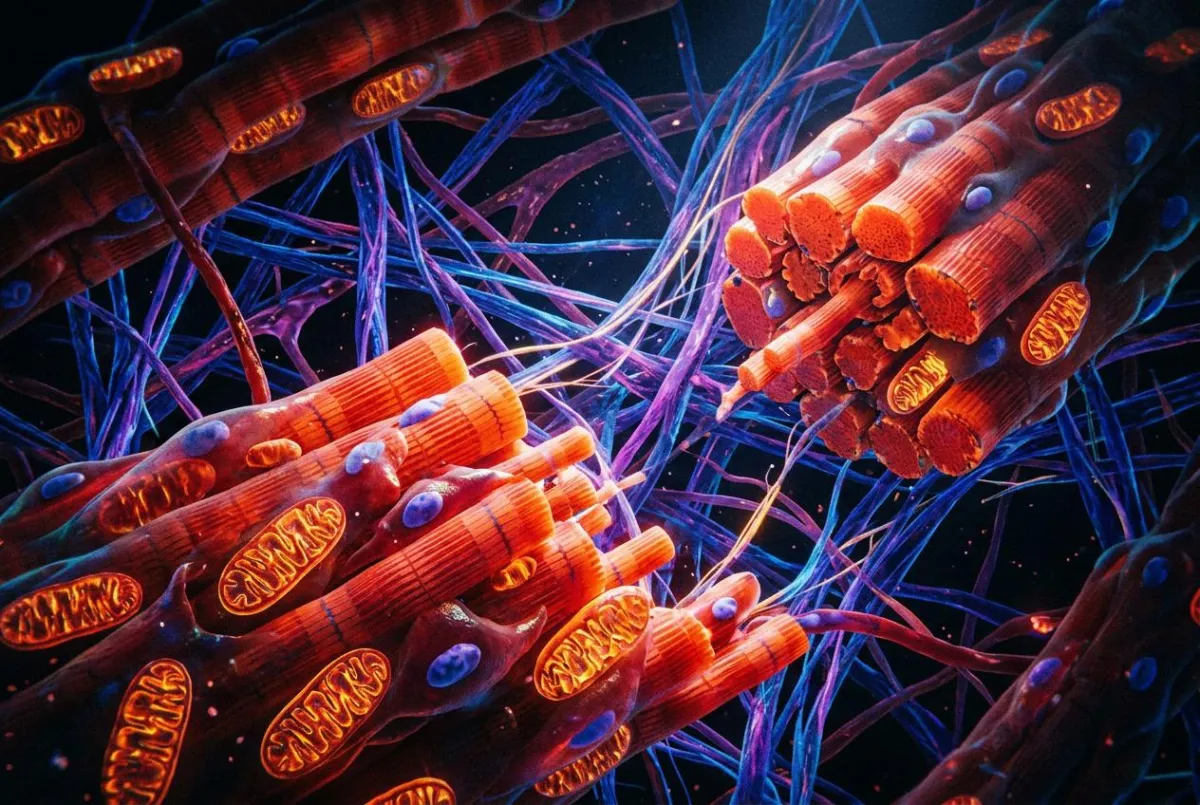
H2 reaches the mitochondrial matrix directly, which is significant because mitochondria are the primary site of ROS generation in human cells. A review identifying mitochondria as a vital hub for molecular hydrogen's biological functions highlighted that H2 reduces mitochondrial oxidative stress and supports ATP production under conditions of high metabolic demand — findings that have particular relevance for athletic recovery and metabolic health research.
WHAT SYSTEMATIC REVIEWS SHOW
Comparative effectiveness between antioxidants is difficult to study directly because trials typically examine each intervention in isolation. However, several systematic reviews and clinical overviews have examined H2's effects across multiple health domains and found consistent signals. A systematic review examining whether hydrogen water is extra healthy or a hoax concluded that the current body of evidence supports biological plausibility and points to measurable benefits in oxidative stress markers, inflammation, and metabolic parameters — though the authors noted the need for larger, longer-duration trials.
For those tracking molecular hydrogen research across clinical settings, the range of populations studied — from athletes to diabetic patients to neurological disease cohorts — suggests that H2's antioxidant selectivity may confer advantages in contexts where preserving redox signaling is as important as reducing oxidative damage.
CONVENTIONAL ANTIOXIDANTS STILL MATTER
It would be a mistake to interpret H2's unique properties as a reason to dismiss conventional antioxidants. Vitamin C remains essential for collagen synthesis, immune function, and iron absorption. Glutathione is indispensable for detoxification. Polyphenols in food carry anti-inflammatory and gut microbiome benefits that extend well beyond their antioxidant activity. The mechanisms are different, and the contexts for optimal use differ accordingly.
What the evidence suggests is that H2 does not compete with these molecules so much as it operates in a complementary lane. Where conventional antioxidants are primarily reactive — neutralizing existing ROS — H2 appears to work at the level of cellular signaling and mitochondrial function, reshaping the environment in which oxidative stress occurs. Research on the health benefits of electrolyzed hydrogen water documented significant reductions in oxidative stress biomarkers alongside anti-inflammatory effects, reinforcing the idea that H2 influences upstream regulatory pathways rather than simply mopping up downstream damage.
For readers tracking athletic recovery and inflammation modalities, this distinction matters practically. Using a conventional antioxidant after intense exercise may blunt some recovery signaling, including the adaptive responses that drive mitochondrial biogenesis. H2's selectivity may make it a better fit for post-exercise recovery contexts — a hypothesis that is actively being investigated in sports science literature.
DOES H2 WIN THE COMPARISON?
Framing this as a winner-takes-all contest misses the point. Molecular hydrogen offers genuinely novel properties — selective targeting of the most harmful ROS, small size enabling mitochondrial and brain penetration, and the capacity to amplify endogenous antioxidant defenses — that conventional antioxidants do not replicate. But its research base, while growing rapidly, is still younger and smaller than the evidence base for vitamins C and E or glutathione precursors.
What the science supports is this: H2 is not simply a more potent version of existing antioxidants. It is a mechanistically distinct molecule that appears to work best in contexts where oxidative stress is acute, where mitochondrial function matters, and where preserving physiological redox balance is a priority alongside reducing damage.
KEY TAKEAWAY: Molecular hydrogen is not a direct replacement for conventional antioxidants but operates through a fundamentally different and complementary mechanism — selectively targeting the most destructive free radicals while also activating the body's own antioxidant defense systems, making it particularly relevant in mitochondrial and recovery contexts.
If you found this breakdown useful, explore RecoveryScienceDaily.com for more research-backed guides covering molecular hydrogen, recovery science, and the latest in evidence-based health optimization. There is a growing body of work here that translates complex molecular science into practical, accessible insights for curious readers and health professionals alike.
FAQ
Q: Is molecular hydrogen better than vitamin C as an antioxidant?
A: They work through different mechanisms, so a direct comparison is difficult. Vitamin C donates electrons broadly and supports numerous physiological functions beyond antioxidant activity. Molecular hydrogen selectively neutralizes the most cytotoxic free radicals and activates internal antioxidant pathways, making them complementary rather than interchangeable.
Q: Can you take molecular hydrogen alongside other antioxidant supplements?
A: Yes, and there is no known interaction concern. Because H2 targets specific harmful ROS rather than broadly scavenging all free radicals, it is unlikely to interfere with the beneficial roles of other antioxidants. Many researchers and practitioners view them as working in parallel rather than competing.
Q: Does molecular hydrogen actually reach the mitochondria?
A: Current evidence strongly suggests it does. H2 is the smallest known molecule, which allows it to freely diffuse across lipid membranes including the inner mitochondrial membrane. Several published reviews and mechanistic studies have identified mitochondrial protection as one of H2's primary biological actions, supporting its relevance in energy production and cellular health contexts.
Back to BlogTHE BASIC ANTIOXIDANT PROBLEM
All antioxidants exist to address the same core issue: oxidative stress. When reactive oxygen species (ROS) accumulate faster than the body can neutralize them, they damage DNA, lipids, and proteins. This process underpins aging, chronic disease, inflammation, and poor exercise recovery. The conventional antioxidant response involves molecules that donate electrons to neutralize free radicals, effectively quenching the oxidative reaction before it causes harm.
The challenge is that not all free radicals are harmful. Some, like nitric oxide and hydrogen peroxide in controlled amounts, serve essential signaling roles. A blunt antioxidant that scavenges indiscriminately can interfere with these beneficial processes. This is one of the core criticisms leveled at high-dose antioxidant supplementation — and it is precisely where molecular hydrogen begins to look different from the competition.
HOW MOLECULAR HYDROGEN DIFFERS FROM CONVENTIONAL ANTIOXIDANTS
Most conventional antioxidants neutralize free radicals through direct electron donation. Vitamin C is water-soluble and works primarily in aqueous environments. Vitamin E is fat-soluble and protects cell membranes. Glutathione operates inside cells and is central to the body's endogenous antioxidant defense network. These are valuable, well-studied molecules.
Molecular hydrogen, by contrast, selectively neutralizes only the most cytotoxic reactive oxygen species — particularly the hydroxyl radical (•OH) and peroxynitrite (ONOO⁻). These are the two most damaging free radicals in human biology, and unlike nitric oxide or superoxide, they have no known beneficial physiological roles. H2 does not scavenge them all; it targets the most destructive ones. This selectivity means that H2 is unlikely to disrupt the body's beneficial redox signaling while still addressing genuinely harmful oxidative stress.
Research published in a review examining hydrogen as a mitochondria-targeting nutrient via the Keap1-Nrf2 antioxidant system found that H2 also activates endogenous antioxidant pathways — including Nrf2, which upregulates the body's own production of glutathione, superoxide dismutase, and catalase. Rather than simply replacing these systems, H2 appears to support and amplify them. This dual action — direct scavenging of the worst offenders plus indirect enhancement of internal defenses — has no real equivalent in the conventional antioxidant toolkit.
THE SIZE AND DISTRIBUTION ADVANTAGE
There is also a basic biochemical advantage worth noting: molecular hydrogen is the smallest molecule in existence. This means it can diffuse freely across cell membranes, pass through the blood-brain barrier, and penetrate mitochondria — places where many conventional antioxidants simply cannot reach in meaningful concentrations. Glutathione, for example, does not cross the blood-brain barrier efficiently on its own. Vitamin C distributes well in plasma but has limited intracellular penetration at typical supplementation doses.
H2 reaches the mitochondrial matrix directly, which is significant because mitochondria are the primary site of ROS generation in human cells. A review identifying mitochondria as a vital hub for molecular hydrogen's biological functions highlighted that H2 reduces mitochondrial oxidative stress and supports ATP production under conditions of high metabolic demand — findings that have particular relevance for athletic recovery and metabolic health research.
WHAT SYSTEMATIC REVIEWS SHOW
Comparative effectiveness between antioxidants is difficult to study directly because trials typically examine each intervention in isolation. However, several systematic reviews and clinical overviews have examined H2's effects across multiple health domains and found consistent signals. A systematic review examining whether hydrogen water is extra healthy or a hoax concluded that the current body of evidence supports biological plausibility and points to measurable benefits in oxidative stress markers, inflammation, and metabolic parameters — though the authors noted the need for larger, longer-duration trials.
For those tracking molecular hydrogen research across clinical settings, the range of populations studied — from athletes to diabetic patients to neurological disease cohorts — suggests that H2's antioxidant selectivity may confer advantages in contexts where preserving redox signaling is as important as reducing oxidative damage.
CONVENTIONAL ANTIOXIDANTS STILL MATTER
It would be a mistake to interpret H2's unique properties as a reason to dismiss conventional antioxidants. Vitamin C remains essential for collagen synthesis, immune function, and iron absorption. Glutathione is indispensable for detoxification. Polyphenols in food carry anti-inflammatory and gut microbiome benefits that extend well beyond their antioxidant activity. The mechanisms are different, and the contexts for optimal use differ accordingly.
What the evidence suggests is that H2 does not compete with these molecules so much as it operates in a complementary lane. Where conventional antioxidants are primarily reactive — neutralizing existing ROS — H2 appears to work at the level of cellular signaling and mitochondrial function, reshaping the environment in which oxidative stress occurs. Research on the health benefits of electrolyzed hydrogen water documented significant reductions in oxidative stress biomarkers alongside anti-inflammatory effects, reinforcing the idea that H2 influences upstream regulatory pathways rather than simply mopping up downstream damage.
For readers tracking athletic recovery and inflammation modalities, this distinction matters practically. Using a conventional antioxidant after intense exercise may blunt some recovery signaling, including the adaptive responses that drive mitochondrial biogenesis. H2's selectivity may make it a better fit for post-exercise recovery contexts — a hypothesis that is actively being investigated in sports science literature.
DOES H2 WIN THE COMPARISON?
Framing this as a winner-takes-all contest misses the point. Molecular hydrogen offers genuinely novel properties — selective targeting of the most harmful ROS, small size enabling mitochondrial and brain penetration, and the capacity to amplify endogenous antioxidant defenses — that conventional antioxidants do not replicate. But its research base, while growing rapidly, is still younger and smaller than the evidence base for vitamins C and E or glutathione precursors.
What the science supports is this: H2 is not simply a more potent version of existing antioxidants. It is a mechanistically distinct molecule that appears to work best in contexts where oxidative stress is acute, where mitochondrial function matters, and where preserving physiological redox balance is a priority alongside reducing damage.
KEY TAKEAWAY: Molecular hydrogen is not a direct replacement for conventional antioxidants but operates through a fundamentally different and complementary mechanism — selectively targeting the most destructive free radicals while also activating the body's own antioxidant defense systems, making it particularly relevant in mitochondrial and recovery contexts.
If you found this breakdown useful, explore RecoveryScienceDaily.com for more research-backed guides covering molecular hydrogen, recovery science, and the latest in evidence-based health optimization. There is a growing body of work here that translates complex molecular science into practical, accessible insights for curious readers and health professionals alike.
FAQ
Q: Is molecular hydrogen better than vitamin C as an antioxidant?
A: They work through different mechanisms, so a direct comparison is difficult. Vitamin C donates electrons broadly and supports numerous physiological functions beyond antioxidant activity. Molecular hydrogen selectively neutralizes the most cytotoxic free radicals and activates internal antioxidant pathways, making them complementary rather than interchangeable.
Q: Can you take molecular hydrogen alongside other antioxidant supplements?
A: Yes, and there is no known interaction concern. Because H2 targets specific harmful ROS rather than broadly scavenging all free radicals, it is unlikely to interfere with the beneficial roles of other antioxidants. Many researchers and practitioners view them as working in parallel rather than competing.
Q: Does molecular hydrogen actually reach the mitochondria?
A: Current evidence strongly suggests it does. H2 is the smallest known molecule, which allows it to freely diffuse across lipid membranes including the inner mitochondrial membrane. Several published reviews and mechanistic studies have identified mitochondrial protection as one of H2's primary biological actions, supporting its relevance in energy production and cellular health contexts.