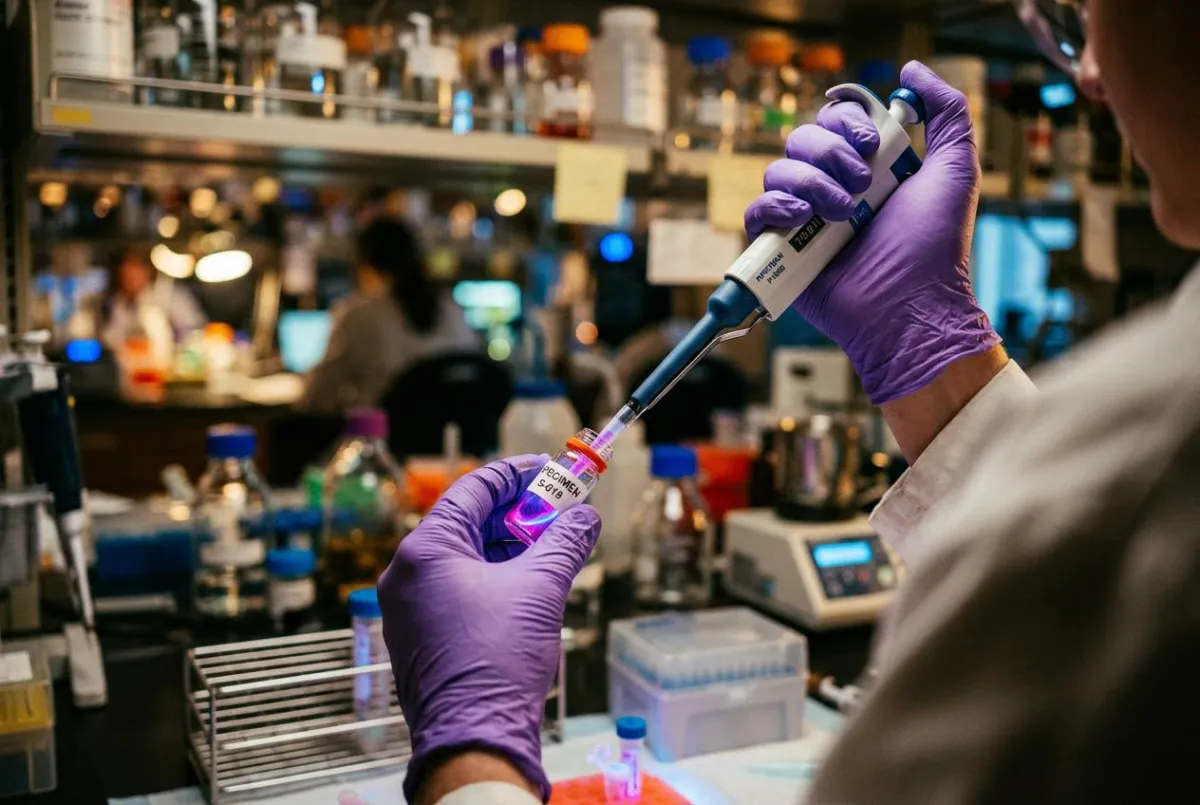
Molecular Hydrogen and Mitochondrial Function: 7 Research-Backed Findings
If you have been following the science of cellular energy, you know mitochondria are having a moment. As of August 2026, the connection between molecular hydrogen and mitochondrial function has become one of the most active areas in hydrogen research, with scientists increasingly describing the mitochondrion as the central hub where H2 exerts its most meaningful biological effects. Mitochondria produce the vast majority of your cellular energy, but they are also the primary source of reactive oxygen species (ROS) in the body — which makes them uniquely vulnerable to oxidative damage and uniquely positioned to benefit from a selective antioxidant like molecular hydrogen. Below are seven research-backed findings that explain what we currently know, what remains uncertain, and why this tiny molecule keeps showing up in studies on energy, endurance, and cellular resilience.
1. HYDROGEN REACHES MITOCHONDRIA WHERE MOST ANTIOXIDANTS CANNOT
Molecular hydrogen is the smallest molecule in existence, and it carries no electrical charge. That combination allows it to diffuse freely across cell membranes and into subcellular compartments — including the mitochondrial matrix — without requiring transporters or receptors. Most dietary antioxidants, by contrast, are too large or too polar to accumulate inside mitochondria in meaningful amounts. A comprehensive review published in the National Library of Medicine describes mitochondria as a vital hub for hydrogen's biological functions, arguing that H2's ability to physically reach the site of ROS generation is central to its observed effects. This is a structural advantage, not just a biochemical one.
2. H2 SELECTIVELY NEUTRALIZES THE MOST DAMAGING RADICALS
Mitochondria constantly leak small amounts of superoxide during energy production, some of which converts into the hydroxyl radical — arguably the most destructive ROS in biology. Landmark research suggests hydrogen selectively reduces hydroxyl radicals while leaving milder, physiologically useful ROS (like hydrogen peroxide used in cell signaling) largely intact. This selectivity matters for mitochondrial health because blunt, high-dose antioxidant supplementation can actually interfere with the beneficial signaling roles of ROS, including exercise adaptation. Hydrogen appears to trim the most harmful oxidative activity without flattening the signals mitochondria rely on. You can explore more of these mechanisms in our molecular hydrogen research library.
3. HYDROGEN ACTIVATES THE KEAP1-NRF2 ANTIOXIDANT SYSTEM
Perhaps the most interesting finding of the past several years is that hydrogen does not merely act as a direct radical scavenger — it also behaves like a signaling molecule. Research indicates that H2 functions as a mitochondria-targeting nutrient in part by activating the Keap1-Nrf2 pathway, the body's master regulator of endogenous antioxidant defense. When Nrf2 is activated, cells upregulate their own protective enzymes — glutathione peroxidase, superoxide dismutase, catalase — which continue working long after the hydrogen itself has left
Back to Blog1. HYDROGEN REACHES MITOCHONDRIA WHERE MOST ANTIOXIDANTS CANNOT
Molecular hydrogen is the smallest molecule in existence, and it carries no electrical charge. That combination allows it to diffuse freely across cell membranes and into subcellular compartments — including the mitochondrial matrix — without requiring transporters or receptors. Most dietary antioxidants, by contrast, are too large or too polar to accumulate inside mitochondria in meaningful amounts. A comprehensive review published in the National Library of Medicine describes mitochondria as a vital hub for hydrogen's biological functions, arguing that H2's ability to physically reach the site of ROS generation is central to its observed effects. This is a structural advantage, not just a biochemical one.
2. H2 SELECTIVELY NEUTRALIZES THE MOST DAMAGING RADICALS
Mitochondria constantly leak small amounts of superoxide during energy production, some of which converts into the hydroxyl radical — arguably the most destructive ROS in biology. Landmark research suggests hydrogen selectively reduces hydroxyl radicals while leaving milder, physiologically useful ROS (like hydrogen peroxide used in cell signaling) largely intact. This selectivity matters for mitochondrial health because blunt, high-dose antioxidant supplementation can actually interfere with the beneficial signaling roles of ROS, including exercise adaptation. Hydrogen appears to trim the most harmful oxidative activity without flattening the signals mitochondria rely on. You can explore more of these mechanisms in our molecular hydrogen research library.
3. HYDROGEN ACTIVATES THE KEAP1-NRF2 ANTIOXIDANT SYSTEM
Perhaps the most interesting finding of the past several years is that hydrogen does not merely act as a direct radical scavenger — it also behaves like a signaling molecule. Research indicates that H2 functions as a mitochondria-targeting nutrient in part by activating the Keap1-Nrf2 pathway, the body's master regulator of endogenous antioxidant defense. When Nrf2 is activated, cells upregulate their own protective enzymes — glutathione peroxidase, superoxide dismutase, catalase — which continue working long after the hydrogen itself has left