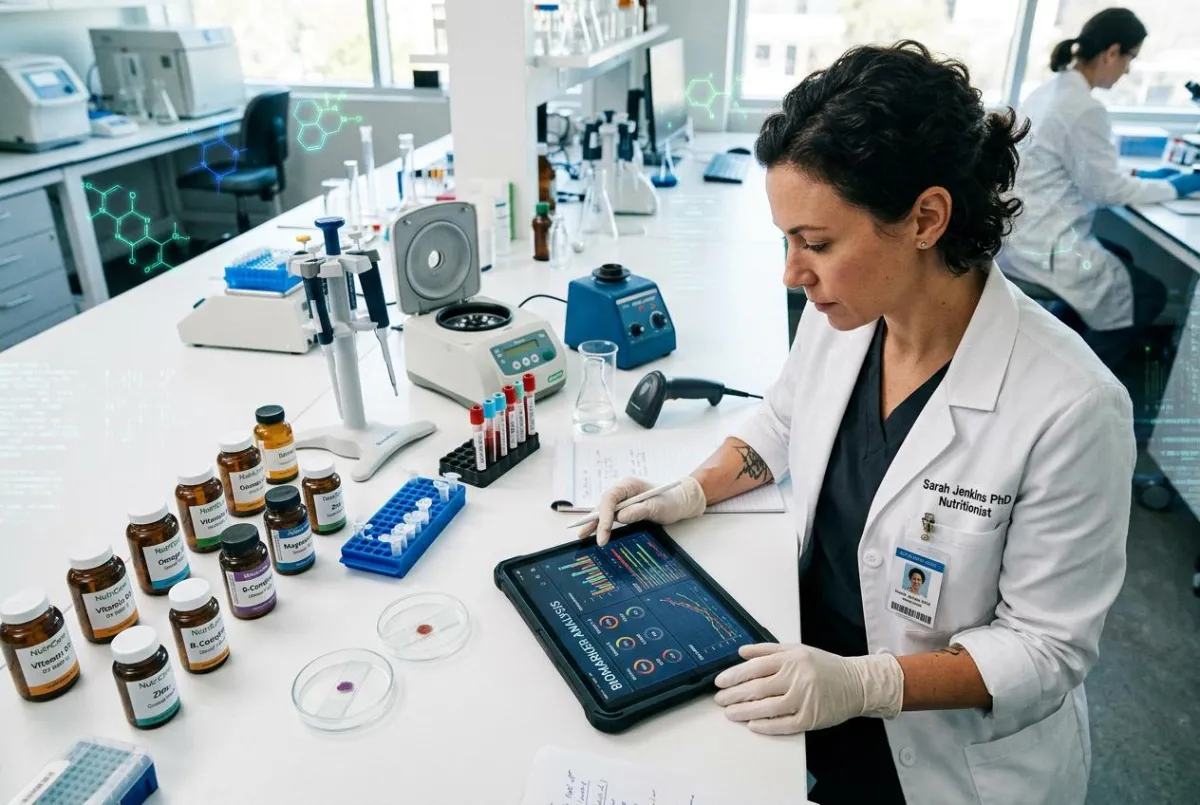
Hydrogen Water Purity and Quality Standards: What Actually Matters
How do I know if my hydrogen water actually contains hydrogen? What concentration counts as therapeutic? And are there official quality standards I should look for before buying a machine, tablet, or bottled product? These are three of the most common questions we receive from readers, and as interest in molecular hydrogen continues to surge this August 2026, they matter more than ever. The hydrogen water market has exploded with products of wildly varying quality, and understanding purity and quality standards is the difference between drinking genuinely hydrogen-rich water and drinking expensive plain water. In this post, we answer each of these questions using the best available research and industry benchmarks.
HOW DO I KNOW IF MY HYDROGEN WATER ACTUALLY CONTAINS HYDROGEN?
Molecular hydrogen is a colorless, odorless, tasteless gas, so you cannot judge a product by sight or flavor. This is precisely why quality verification matters. The gold standard for consumers is a hydrogen concentration test, most commonly a methylene blue titration reagent, which changes color in proportion to dissolved H2 and gives a reading in parts per million (ppm). More precise laboratory methods include gas chromatography and dedicated dissolved hydrogen meters, though the latter require careful calibration to avoid misleading readings.
Verification matters because hydrogen is the smallest molecule in existence and escapes water rapidly. An open glass of hydrogen water can lose a substantial portion of its dissolved gas within an hour or two, and products stored in hydrogen-permeable plastic bottles may contain little to no H2 by the time they reach you. Aluminum pouches and cans are widely considered the best packaging because hydrogen cannot easily pass through metal. A comprehensive evaluation of the field, including a systematic review asking whether hydrogen water is extra healthy or a hoax, emphasized that inconsistent hydrogen concentrations across studies and products remain one of the biggest challenges in interpreting results. In other words, the science is only as good as the hydrogen actually delivered.
WHAT CONCENTRATION COUNTS AS THERAPEUTIC?
Most human clinical studies have used hydrogen water in the range of 0.5 to 1.6 ppm, with 1.6 ppm representing the saturation point of hydrogen in water at standard atmospheric pressure and temperature. Some tablet-based and pressurized products exceed this supersaturated threshold temporarily, delivering 2 to 8 ppm or more at the moment of consumption. Research suggests the total dose of hydrogen consumed, meaning concentration multiplied by volume, is what drives outcomes. A broad review of clinical studies on molecular hydrogen therapy found beneficial effects across a range of doses, but consistently noted that studies delivering higher, verified hydrogen doses tended to show clearer results.
As a practical benchmark, many researchers in the field suggest aiming for at least 1 to 3 milligrams of H2 per day. Drinking one liter of water at 1.6 ppm delivers roughly 1.6 mg. This is why concentration claims matter so much: a product delivering only 0.1 ppm would require an impractical volume of water to reach a meaningful dose. When evaluating any product, look for third-party verified ppm measurements at the time of consumption, not just at the time of manufacture. You can explore more dosing-related findings in our molecular hydrogen research library.
ARE THERE OFFICIAL QUALITY STANDARDS FOR HYDROGEN WATER?
This is where the industry gets murky. There is currently no single global regulatory standard specifically governing hydrogen water concentration or purity claims. However, several meaningful benchmarks exist. In Japan, where much of the foundational research originated, electrolyzed hydrogen water devices used in medical contexts are regulated as medical devices, and manufacturers must meet defined performance criteria. Research on the health benefits of electrolyzed hydrogen water highlights that device quality, electrode materials, and source water all influence the final product's hydrogen content and safety profile.
Independent organizations such as the International Hydrogen Standards Association (IHSA) have also published certification criteria for hydrogen products, testing concentration claims and verifying that devices do not introduce contaminants. This second point is critical: purity is not just about how much hydrogen is present, but about what else is in the water. Poorly manufactured electrolysis devices can leach metals from low-grade electrodes or produce unwanted byproducts like chlorine and ozone if source water is not properly filtered. Reputable devices use platinum-coated titanium electrodes and include membrane technology (often called SPE/PEM) that separates hydrogen production from oxidizing byproducts. A detailed review of electrolyzed-reduced water concluded that molecular hydrogen itself, not alkaline pH or other properties, is the therapeutic agent, which reinforces that verified H2 concentration should be your primary quality criterion rather than marketing claims about pH or microclustering.
A PRACTICAL QUALITY CHECKLIST FOR CONSUMERS
When evaluating hydrogen water products, machines, or tablets, look for the following. First, a verified hydrogen concentration of at least 0.5 ppm at the time of consumption, ideally 1.0 ppm or higher, backed by third-party testing rather than manufacturer claims alone. Second, appropriate packaging: aluminum containers for bottled products, or point-of-use generation for machines. Third, electrode quality and membrane technology in electrolysis devices to prevent contamination. Fourth, transparency: companies confident in their products publish independent test results and specify testing methods. Finally, remember that hydrogen water is remarkably safe at any realistic concentration, since H2 is a natural byproduct of your own gut bacteria, so the primary risk of a low-quality product is not harm but simply paying for water that delivers no meaningful hydrogen. Whether your goal is faster athletic recovery or general wellness support, verified dose is what connects you to the outcomes seen in clinical research.
KEY TAKEAWAY: There is no universal regulatory standard for hydrogen water, so quality comes down to verified H2 concentration (ideally 1.0 ppm or higher at consumption), contaminant-free production, and hydrogen-impermeable packaging. Third-party testing and transparent manufacturers are your best safeguards.
Want to dig deeper into the science of molecular hydrogen dosing, delivery methods, and clinical outcomes? Explore more research-backed guides at RecoveryScienceDaily.com and stay ahead of the latest findings in recovery science.
FAQ
Q: How can I test the hydrogen concentration of my water at home?
A: The most accessible method is a methylene blue titration reagent kit, which changes color drop by drop in proportion to dissolved hydrogen and gives a reading in ppm. Test immediately after generating or opening the water, since hydrogen escapes quickly. Dissolved hydrogen meters exist but require careful calibration to give accurate readings.
Q: Does a higher ppm always mean a better hydrogen water product?
A: Not necessarily, since total daily dose (concentration times volume consumed) is what matters most, and hydrogen is safe at any realistic concentration. A supersaturated 5 ppm product and one liter of 1.6 ppm water can deliver comparable doses. Focus on verified concentration at consumption and consistent daily intake rather than chasing the highest number.
Q: Is alkaline water the same as hydrogen water?
A: No. Research indicates that dissolved molecular hydrogen, not alkaline pH, is the therapeutic agent in electrolyzed water. Some alkaline ionizers do produce hydrogen, but many deliver very low concentrations, so always verify the actual H2 content rather than relying on pH claims.
Back to BlogHOW DO I KNOW IF MY HYDROGEN WATER ACTUALLY CONTAINS HYDROGEN?
Molecular hydrogen is a colorless, odorless, tasteless gas, so you cannot judge a product by sight or flavor. This is precisely why quality verification matters. The gold standard for consumers is a hydrogen concentration test, most commonly a methylene blue titration reagent, which changes color in proportion to dissolved H2 and gives a reading in parts per million (ppm). More precise laboratory methods include gas chromatography and dedicated dissolved hydrogen meters, though the latter require careful calibration to avoid misleading readings.
Verification matters because hydrogen is the smallest molecule in existence and escapes water rapidly. An open glass of hydrogen water can lose a substantial portion of its dissolved gas within an hour or two, and products stored in hydrogen-permeable plastic bottles may contain little to no H2 by the time they reach you. Aluminum pouches and cans are widely considered the best packaging because hydrogen cannot easily pass through metal. A comprehensive evaluation of the field, including a systematic review asking whether hydrogen water is extra healthy or a hoax, emphasized that inconsistent hydrogen concentrations across studies and products remain one of the biggest challenges in interpreting results. In other words, the science is only as good as the hydrogen actually delivered.
WHAT CONCENTRATION COUNTS AS THERAPEUTIC?
Most human clinical studies have used hydrogen water in the range of 0.5 to 1.6 ppm, with 1.6 ppm representing the saturation point of hydrogen in water at standard atmospheric pressure and temperature. Some tablet-based and pressurized products exceed this supersaturated threshold temporarily, delivering 2 to 8 ppm or more at the moment of consumption. Research suggests the total dose of hydrogen consumed, meaning concentration multiplied by volume, is what drives outcomes. A broad review of clinical studies on molecular hydrogen therapy found beneficial effects across a range of doses, but consistently noted that studies delivering higher, verified hydrogen doses tended to show clearer results.
As a practical benchmark, many researchers in the field suggest aiming for at least 1 to 3 milligrams of H2 per day. Drinking one liter of water at 1.6 ppm delivers roughly 1.6 mg. This is why concentration claims matter so much: a product delivering only 0.1 ppm would require an impractical volume of water to reach a meaningful dose. When evaluating any product, look for third-party verified ppm measurements at the time of consumption, not just at the time of manufacture. You can explore more dosing-related findings in our molecular hydrogen research library.
ARE THERE OFFICIAL QUALITY STANDARDS FOR HYDROGEN WATER?
This is where the industry gets murky. There is currently no single global regulatory standard specifically governing hydrogen water concentration or purity claims. However, several meaningful benchmarks exist. In Japan, where much of the foundational research originated, electrolyzed hydrogen water devices used in medical contexts are regulated as medical devices, and manufacturers must meet defined performance criteria. Research on the health benefits of electrolyzed hydrogen water highlights that device quality, electrode materials, and source water all influence the final product's hydrogen content and safety profile.
Independent organizations such as the International Hydrogen Standards Association (IHSA) have also published certification criteria for hydrogen products, testing concentration claims and verifying that devices do not introduce contaminants. This second point is critical: purity is not just about how much hydrogen is present, but about what else is in the water. Poorly manufactured electrolysis devices can leach metals from low-grade electrodes or produce unwanted byproducts like chlorine and ozone if source water is not properly filtered. Reputable devices use platinum-coated titanium electrodes and include membrane technology (often called SPE/PEM) that separates hydrogen production from oxidizing byproducts. A detailed review of electrolyzed-reduced water concluded that molecular hydrogen itself, not alkaline pH or other properties, is the therapeutic agent, which reinforces that verified H2 concentration should be your primary quality criterion rather than marketing claims about pH or microclustering.
A PRACTICAL QUALITY CHECKLIST FOR CONSUMERS
When evaluating hydrogen water products, machines, or tablets, look for the following. First, a verified hydrogen concentration of at least 0.5 ppm at the time of consumption, ideally 1.0 ppm or higher, backed by third-party testing rather than manufacturer claims alone. Second, appropriate packaging: aluminum containers for bottled products, or point-of-use generation for machines. Third, electrode quality and membrane technology in electrolysis devices to prevent contamination. Fourth, transparency: companies confident in their products publish independent test results and specify testing methods. Finally, remember that hydrogen water is remarkably safe at any realistic concentration, since H2 is a natural byproduct of your own gut bacteria, so the primary risk of a low-quality product is not harm but simply paying for water that delivers no meaningful hydrogen. Whether your goal is faster athletic recovery or general wellness support, verified dose is what connects you to the outcomes seen in clinical research.
KEY TAKEAWAY: There is no universal regulatory standard for hydrogen water, so quality comes down to verified H2 concentration (ideally 1.0 ppm or higher at consumption), contaminant-free production, and hydrogen-impermeable packaging. Third-party testing and transparent manufacturers are your best safeguards.
Want to dig deeper into the science of molecular hydrogen dosing, delivery methods, and clinical outcomes? Explore more research-backed guides at RecoveryScienceDaily.com and stay ahead of the latest findings in recovery science.
FAQ
Q: How can I test the hydrogen concentration of my water at home?
A: The most accessible method is a methylene blue titration reagent kit, which changes color drop by drop in proportion to dissolved hydrogen and gives a reading in ppm. Test immediately after generating or opening the water, since hydrogen escapes quickly. Dissolved hydrogen meters exist but require careful calibration to give accurate readings.
Q: Does a higher ppm always mean a better hydrogen water product?
A: Not necessarily, since total daily dose (concentration times volume consumed) is what matters most, and hydrogen is safe at any realistic concentration. A supersaturated 5 ppm product and one liter of 1.6 ppm water can deliver comparable doses. Focus on verified concentration at consumption and consistent daily intake rather than chasing the highest number.
Q: Is alkaline water the same as hydrogen water?
A: No. Research indicates that dissolved molecular hydrogen, not alkaline pH, is the therapeutic agent in electrolyzed water. Some alkaline ionizers do produce hydrogen, but many deliver very low concentrations, so always verify the actual H2 content rather than relying on pH claims.