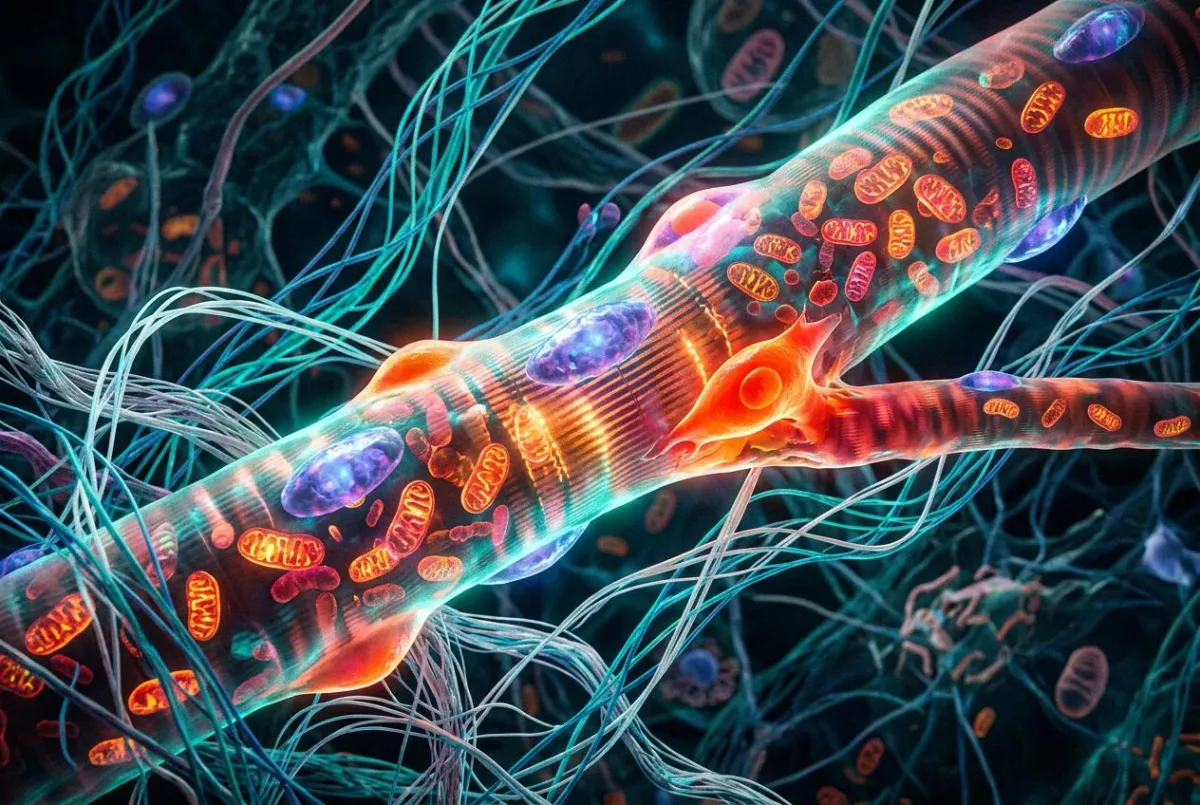
Circadian Rhythm and Recovery Science: 7 Key Findings You Need to Know
As interest in circadian rhythm and recovery science continues to accelerate this July 2026, researchers are uncovering just how deeply your internal body clock influences everything from muscle repair to cognitive sharpness. Most people understand that sleep matters, but fewer realize that when you sleep — and how well your circadian system is functioning — may matter just as much as how long you sleep. Here are seven research-backed findings that shed light on this fascinating and increasingly actionable area of science.
1. YOUR CIRCADIAN RHYTHM IS A MASTER REGULATOR, NOT JUST A SLEEP SWITCH
The circadian rhythm is a roughly 24-hour internal clock present in virtually every cell of your body. It governs hormone release, core body temperature, immune activity, metabolic function, and neural repair — not just your sleep-wake cycle. When this clock is misaligned with your environment or behavior, the downstream effects on recovery are significant. A comprehensive review exploring the role of circadian rhythms in sleep and recovery confirmed that circadian disruption impairs multiple physiological systems simultaneously, making alignment a foundational recovery strategy rather than a nice-to-have.
2. SLEEP TIMING AFFECTS COGNITIVE PERFORMANCE AS MUCH AS SLEEP DURATION
You might be logging eight hours of sleep, but if those hours are misaligned with your natural circadian phase, cognitive performance can still suffer. Research consistently shows that reaction time, decision-making, and attention are strongly tied to circadian phase rather than sleep quantity alone. A detailed analysis of circadian rhythms, sleep deprivation, and human performance found that performance deficits linked to circadian misalignment closely mirror those seen in sleep-deprived individuals — even when total sleep time is adequate. For athletes and high performers, this means going to bed and waking at consistent, biologically appropriate times is non-negotiable.
3. CIRCADIAN MISALIGNMENT DISRUPTS MOTOR CONTROL AND REACTION TIME
One of the more striking findings in recent years concerns motor inhibition — the ability to stop or adjust a movement quickly. This capacity, critical in sport and daily safety, is highly sensitive to circadian disruption. Research on circadian rhythm sleep loss and motor inhibition demonstrated that even moderate circadian misalignment impairs the neural mechanisms responsible for movement control. For recovery-focused readers, this finding underscores that protecting your body clock isn't just about feeling rested — it directly safeguards physical performance and injury risk.
4. LIGHT EXPOSURE IS THE MOST POWERFUL CIRCADIAN ZEITGEBER
A zeitgeber is any external cue that synchronizes your circadian clock, and light is by far the most powerful one. Morning bright light exposure advances your circadian phase and promotes earlier, deeper sleep. Evening blue-enriched light, by contrast, suppresses melatonin and delays sleep onset. Practically speaking, getting natural light within an hour of waking and dimming your environment in the two hours before bed can meaningfully shift your circadian rhythm toward optimal alignment. This is not a wellness trend — it is a well-documented physiological mechanism. Readers who want to explore this topic further will find a growing library of evidence-based articles in our sleep research category.
5. CIRCADIAN RHYTHM SHAPES HOW EFFECTIVELY YOU RECOVER OVERNIGHT
Recovery during sleep is not passive. Growth hormone secretion, tissue repair, immune surveillance, and synaptic consolidation all follow circadian timing. When your sleep is shifted, fragmented, or out of phase with your clock, these processes are disrupted in ways that compound over time. Research on circadian rhythms in attention highlighted that even subtle phase shifts alter the architecture of restorative sleep, reducing time spent in slow-wave and REM stages where the most critical repair occurs. Understanding this mechanism explains why irregular sleep schedules — even with adequate total sleep time — can leave athletes and busy professionals feeling chronically under-recovered.
6. SOCIAL JET LAG IS A REAL AND MEASURABLE RECOVERY DISRUPTOR
Social jet lag refers to the discrepancy between your biological clock and your social schedule — a phenomenon common among people who sleep in significantly on weekends and then snap back to early alarms on Monday. This weekly oscillation creates a recurring pattern of circadian misalignment that research links to elevated inflammation, impaired glucose metabolism, mood disturbances, and reduced physical performance. The effect is not trivial. Even a 90-minute difference between your weekday and weekend sleep midpoints has been associated with measurable health and recovery consequences. Minimizing social jet lag by keeping sleep and wake times within a one-hour window across all seven days is one of the simplest and most evidence-supported recovery interventions available. For more on how circadian science intersects with broader recovery modalities, our recovery research hub covers the latest findings across multiple domains.
7. MEAL TIMING AND EXERCISE TIMING INTERACT WITH YOUR CIRCADIAN CLOCK
Emerging evidence suggests that not just light, but also meal timing and exercise timing act as secondary zeitgebers — signals that can reinforce or conflict with your master circadian clock. Eating large meals late at night, or training intensely close to bedtime, can shift peripheral clocks in muscle and metabolic tissue out of phase with the central clock in the brain. This internal desynchrony appears to blunt recovery adaptations and disrupt overnight hormonal rhythms. While the research here is still evolving, current guidance points toward aligning your largest meals and most intense training sessions with the earlier half of your active day as a practical circadian hygiene strategy.
KEY TAKEAWAY: Your circadian rhythm is a master regulator of recovery, and aligning your sleep timing, light exposure, meals, and exercise with your internal clock may deliver recovery benefits that no supplement or wearable can fully replace.
If you found this breakdown useful, explore RecoveryScienceDaily.com for more research-backed guides on sleep science, circadian biology, and evidence-based recovery strategies updated regularly for curious, health-conscious readers.
FAQ
Q: What is circadian rhythm and why does it matter for recovery?
A: Your circadian rhythm is a roughly 24-hour internal biological clock that regulates sleep, hormone release, immune function, metabolism, and tissue repair. When it is well-aligned with your environment and behavior, these recovery processes run efficiently. When it is disrupted, recovery at every level — physical, cognitive, and immune — is compromised.
Q: How can I tell if my circadian rhythm is misaligned?
A: Common signs of circadian misalignment include difficulty falling asleep or waking at consistent times, feeling groggy well into the morning, experiencing a significant energy crash in the early afternoon, and needing to sleep in substantially on weekends to feel rested. Social jet lag — the difference between your weekday and weekend sleep schedules — is one of the most common and underappreciated forms of misalignment.
Q: What is the single most effective way to support a healthy circadian rhythm?
A: Consistent light exposure is the most powerful lever available. Getting bright natural light in the morning helps anchor your circadian phase, while reducing blue-enriched artificial light in the two hours before bed protects melatonin onset and supports earlier, deeper sleep. Pairing this with consistent sleep and wake times across all seven days of the week creates a stable foundation for circadian health and recovery.
Back to Blog1. YOUR CIRCADIAN RHYTHM IS A MASTER REGULATOR, NOT JUST A SLEEP SWITCH
The circadian rhythm is a roughly 24-hour internal clock present in virtually every cell of your body. It governs hormone release, core body temperature, immune activity, metabolic function, and neural repair — not just your sleep-wake cycle. When this clock is misaligned with your environment or behavior, the downstream effects on recovery are significant. A comprehensive review exploring the role of circadian rhythms in sleep and recovery confirmed that circadian disruption impairs multiple physiological systems simultaneously, making alignment a foundational recovery strategy rather than a nice-to-have.
2. SLEEP TIMING AFFECTS COGNITIVE PERFORMANCE AS MUCH AS SLEEP DURATION
You might be logging eight hours of sleep, but if those hours are misaligned with your natural circadian phase, cognitive performance can still suffer. Research consistently shows that reaction time, decision-making, and attention are strongly tied to circadian phase rather than sleep quantity alone. A detailed analysis of circadian rhythms, sleep deprivation, and human performance found that performance deficits linked to circadian misalignment closely mirror those seen in sleep-deprived individuals — even when total sleep time is adequate. For athletes and high performers, this means going to bed and waking at consistent, biologically appropriate times is non-negotiable.
3. CIRCADIAN MISALIGNMENT DISRUPTS MOTOR CONTROL AND REACTION TIME
One of the more striking findings in recent years concerns motor inhibition — the ability to stop or adjust a movement quickly. This capacity, critical in sport and daily safety, is highly sensitive to circadian disruption. Research on circadian rhythm sleep loss and motor inhibition demonstrated that even moderate circadian misalignment impairs the neural mechanisms responsible for movement control. For recovery-focused readers, this finding underscores that protecting your body clock isn't just about feeling rested — it directly safeguards physical performance and injury risk.
4. LIGHT EXPOSURE IS THE MOST POWERFUL CIRCADIAN ZEITGEBER
A zeitgeber is any external cue that synchronizes your circadian clock, and light is by far the most powerful one. Morning bright light exposure advances your circadian phase and promotes earlier, deeper sleep. Evening blue-enriched light, by contrast, suppresses melatonin and delays sleep onset. Practically speaking, getting natural light within an hour of waking and dimming your environment in the two hours before bed can meaningfully shift your circadian rhythm toward optimal alignment. This is not a wellness trend — it is a well-documented physiological mechanism. Readers who want to explore this topic further will find a growing library of evidence-based articles in our sleep research category.
5. CIRCADIAN RHYTHM SHAPES HOW EFFECTIVELY YOU RECOVER OVERNIGHT
Recovery during sleep is not passive. Growth hormone secretion, tissue repair, immune surveillance, and synaptic consolidation all follow circadian timing. When your sleep is shifted, fragmented, or out of phase with your clock, these processes are disrupted in ways that compound over time. Research on circadian rhythms in attention highlighted that even subtle phase shifts alter the architecture of restorative sleep, reducing time spent in slow-wave and REM stages where the most critical repair occurs. Understanding this mechanism explains why irregular sleep schedules — even with adequate total sleep time — can leave athletes and busy professionals feeling chronically under-recovered.
6. SOCIAL JET LAG IS A REAL AND MEASURABLE RECOVERY DISRUPTOR
Social jet lag refers to the discrepancy between your biological clock and your social schedule — a phenomenon common among people who sleep in significantly on weekends and then snap back to early alarms on Monday. This weekly oscillation creates a recurring pattern of circadian misalignment that research links to elevated inflammation, impaired glucose metabolism, mood disturbances, and reduced physical performance. The effect is not trivial. Even a 90-minute difference between your weekday and weekend sleep midpoints has been associated with measurable health and recovery consequences. Minimizing social jet lag by keeping sleep and wake times within a one-hour window across all seven days is one of the simplest and most evidence-supported recovery interventions available. For more on how circadian science intersects with broader recovery modalities, our recovery research hub covers the latest findings across multiple domains.
7. MEAL TIMING AND EXERCISE TIMING INTERACT WITH YOUR CIRCADIAN CLOCK
Emerging evidence suggests that not just light, but also meal timing and exercise timing act as secondary zeitgebers — signals that can reinforce or conflict with your master circadian clock. Eating large meals late at night, or training intensely close to bedtime, can shift peripheral clocks in muscle and metabolic tissue out of phase with the central clock in the brain. This internal desynchrony appears to blunt recovery adaptations and disrupt overnight hormonal rhythms. While the research here is still evolving, current guidance points toward aligning your largest meals and most intense training sessions with the earlier half of your active day as a practical circadian hygiene strategy.
KEY TAKEAWAY: Your circadian rhythm is a master regulator of recovery, and aligning your sleep timing, light exposure, meals, and exercise with your internal clock may deliver recovery benefits that no supplement or wearable can fully replace.
If you found this breakdown useful, explore RecoveryScienceDaily.com for more research-backed guides on sleep science, circadian biology, and evidence-based recovery strategies updated regularly for curious, health-conscious readers.
FAQ
Q: What is circadian rhythm and why does it matter for recovery?
A: Your circadian rhythm is a roughly 24-hour internal biological clock that regulates sleep, hormone release, immune function, metabolism, and tissue repair. When it is well-aligned with your environment and behavior, these recovery processes run efficiently. When it is disrupted, recovery at every level — physical, cognitive, and immune — is compromised.
Q: How can I tell if my circadian rhythm is misaligned?
A: Common signs of circadian misalignment include difficulty falling asleep or waking at consistent times, feeling groggy well into the morning, experiencing a significant energy crash in the early afternoon, and needing to sleep in substantially on weekends to feel rested. Social jet lag — the difference between your weekday and weekend sleep schedules — is one of the most common and underappreciated forms of misalignment.
Q: What is the single most effective way to support a healthy circadian rhythm?
A: Consistent light exposure is the most powerful lever available. Getting bright natural light in the morning helps anchor your circadian phase, while reducing blue-enriched artificial light in the two hours before bed protects melatonin onset and supports earlier, deeper sleep. Pairing this with consistent sleep and wake times across all seven days of the week creates a stable foundation for circadian health and recovery.